Human Interleukin-11 (IL-11) is a multifunctional cytokine that plays an essential role in various biological processes, including hematopoiesis, inflammation, and tissue repair. This cytokine, part of the IL-6 family, is critical for understanding certain inflammatory diseases and cancer pathophysiology. The Human Interleukin-11 ELISA (Enzyme-Linked Immunosorbent Assay) is an indispensable tool for researchers aiming to measure IL-11 concentrations in various biological samples.
Biological Importance of IL-11
IL-11 is secreted by fibroblasts, epithelial cells, and other cell types in response to cytokine stimulation. It supports megakaryocyte maturation, which aids in platelet production, and influences bone metabolism, highlighting its diverse physiological impacts (source). Furthermore, it modulates the immune response and has anti-inflammatory properties that can affect tissue repair processes, making it vital for studying inflammatory diseases and regenerative therapies (source).
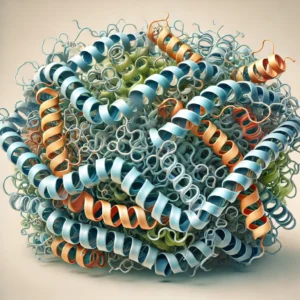
 Structure and Function of IL-11
IL-11 functions through the gp130 receptor, shared with other cytokines like IL-6. Upon binding to its IL-11 receptor (IL-11R), it activates the Janus kinase-signal transducer and activator of transcription (JAK-STAT) pathway, influencing gene transcription that regulates cell proliferation and differentiation (source). This signaling pathway is crucial for its regulatory effects on immune cells (source).
The Role of Human Interleukin-11 ELISA
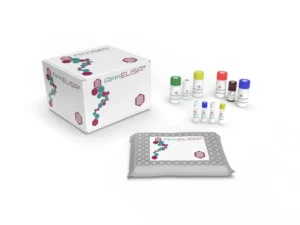
Human Interleukin-11 ELISA kits are designed for quantitative measurement of IL-11 in samples such as serum, plasma, and cell culture supernatants. These kits typically rely on a sandwich ELISA format, ensuring high specificity and sensitivity (source). They are used in:
- Basic and Clinical Research: Understanding cytokine networks in autoimmune diseases and inflammatory responses (source).
- Cancer Studies: Investigating IL-11’s role in tumor progression, particularly in gastrointestinal and breast cancers (source).
- Regenerative Medicine: Analyzing its influence on tissue repair and stem cell differentiation (source).
Assay Principles
The Human Interleukin-11 ELISA utilizes specific antibodies to detect IL-11 levels. The test involves:
- Sample Addition: Samples are added to wells coated with an anti-IL-11 antibody.
- Detection Antibody Binding: A biotin-conjugated secondary antibody binds to IL-11.
- Enzyme Reaction: Streptavidin-HRP is added, and a substrate solution reacts to produce a color change.
- Quantification: The color intensity, measured at a specific wavelength, is directly proportional to the IL-11 concentration (source).
Applications and Benefits
The Human Interleukin-11 ELISA offers numerous advantages:
- Precision: High specificity due to antibody-antigen interactions (source).
- Sensitivity: Capable of detecting low concentrations of IL-11 in complex biological matrices (source).
- Versatility: Useful for both clinical diagnostics and experimental research (source).
Clinical Implications of IL-11 Measurement
Elevated IL-11 levels are often associated with diseases such as rheumatoid arthritis, systemic sclerosis, and certain cancers (source). IL-11 can promote the development of fibrotic tissues in organs, contributing to disease progression (source). Monitoring IL-11 using ELISA can help clinicians assess disease severity and therapeutic responses (source).
Research on IL-11 and Cancer
IL-11 has been found to facilitate tumorigenesis through its anti-apoptotic and proliferative effects on cancer cells (source). It is significant in studying gastric and colorectal cancers, contributing to tumor growth and metastasis (source). Understanding IL-11’s signaling pathways can lead to potential therapeutic targets in cancer treatment (source).
Future Directions
Research on IL-11 and its measurement through ELISA continues to evolve. Scientists are focusing on understanding its broader roles in cardiovascular diseases and chronic inflammatory conditions (source). Improved ELISA methodologies are expected to offer faster and more precise detection, facilitating advancements in clinical diagnostics and targeted therapies (source).


Leave a Reply