Human Endothelial Lipase (EL), a member of the triglyceride lipase gene family, plays a crucial role in lipid metabolism, particularly in the hydrolysis of phospholipids in high-density lipoproteins (HDL). This lipase has gained significant attention due to its implications in cardiovascular health, atherosclerosis, and metabolic disorders.
Structure and Function of Endothelial Lipase
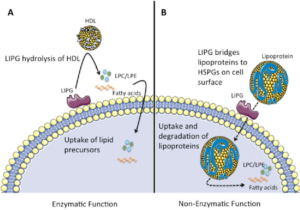
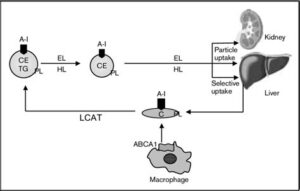
Endothelial lipase is primarily synthesized in endothelial cells and belongs to the same family as lipoprotein lipase (LPL) and hepatic lipase (HL). Its enzymatic activity specifically targets HDL phospholipids, regulating HDL cholesterol levels in plasma. Studies from the National Institutes of Health (NIH) have shown that EL influences HDL metabolism, making it a potential target for therapeutic interventions to raise HDL cholesterol levels.
Role in Cardiovascular Health
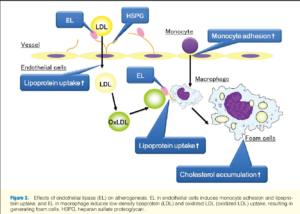
The activity of endothelial lipase is strongly associated with cardiovascular disease (CVD). Researchers at the Centers for Disease Control and Prevention (CDC) have linked lower levels of HDL cholesterol, modulated by EL, with an increased risk of atherosclerosis. Genetic studies, such as those conducted by PubMed Central, highlight mutations in the EL gene (LIPG) that influence HDL cholesterol levels and, consequently, cardiovascular outcomes.
Genetic Variants and Disease Risk
Single nucleotide polymorphisms (SNPs) in the LIPG gene have been linked to variations in HDL levels. For instance, the Asn396Ser variant has been studied extensively for its protective role against coronary artery disease, as documented in research from the National Center for Biotechnology Information (NCBI).
Endothelial Lipase in Atherosclerosis
Atherosclerosis, a chronic inflammatory condition of the arterial walls, is directly influenced by lipid metabolism. Studies by ClinicalTrials.gov have examined therapies targeting EL to prevent plaque formation. Additionally, the American Heart Association (AHA) has emphasized the significance of EL in modulating the balance between pro-atherogenic and anti-atherogenic lipoproteins.
Potential Therapeutic Implications
Endothelial lipase has become a promising therapeutic target for modulating HDL levels and reducing cardiovascular risks. Experimental approaches, such as EL inhibitors, are being tested for their efficacy in increasing HDL cholesterol levels, as outlined by researchers at Harvard Medical School and Johns Hopkins Medicine.
Regulation of Endothelial Lipase
The expression and activity of EL are tightly regulated by inflammatory cytokines, hormones, and dietary factors. For example, research from the National Institute on Aging (NIA) has highlighted the downregulation of EL during systemic inflammation, linking its activity to metabolic syndrome.
Role Beyond Lipid Metabolism
Emerging evidence suggests that endothelial lipase may also play roles in vascular homeostasis and angiogenesis. The Food and Drug Administration (FDA) has recognized its broader implications in endothelial function, which could open new avenues for research.
Future Directions
As research into endothelial lipase continues to evolve, its potential as a biomarker for cardiovascular disease and other metabolic disorders is being explored. Ongoing studies at institutions like Stanford Medicine and Mayo Clinic aim to deepen our understanding of its physiological and pathological roles.


Leave a Reply