Cell separation is a fundamental process in biomedical research and clinical diagnostics, essential for isolating specific cell types from a mixed population. Advanced gradient media, such as OptiPrep™, Lymphoprep™, and Polymorphprep™, have revolutionized this process, offering precise and efficient separation of cells based on their density. This article explores the significance of advanced gradient media in cell separation, their applications, and the benefits they bring to research and clinical practice.
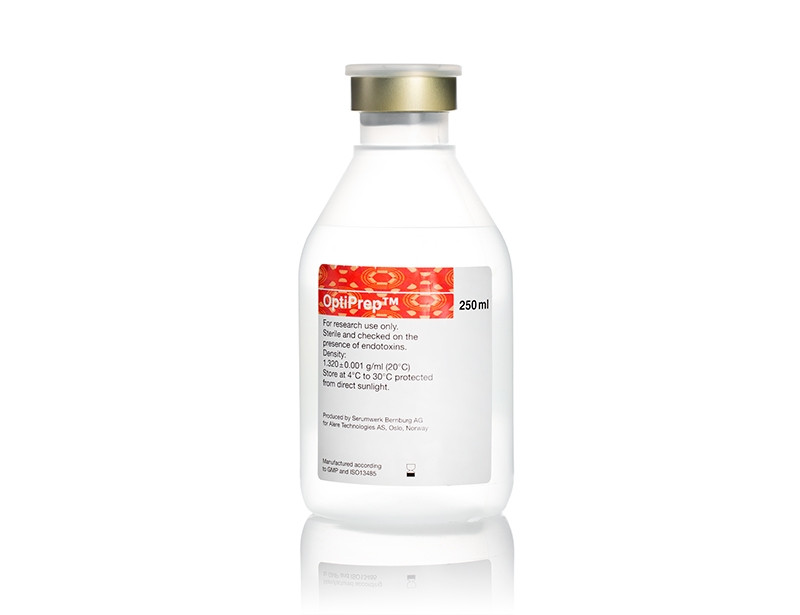
| (AXS-1114542) OptiPrep™ Density Gradient Media – 250mL | https://maxanim.com/density-gradient-media/optiprep/ | 0877-1893 | Cell Separation |
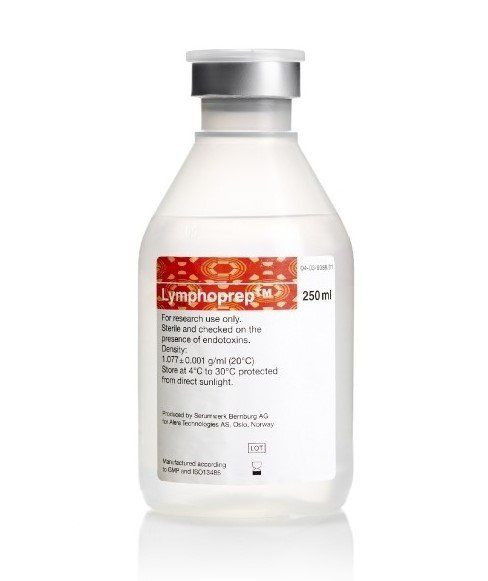
| (AXS-1114544) Lymphoprep – 250ml | https://maxanim.com/density-gradient-media/lymphoprep/ | 0877-1856 | Cell Separation |
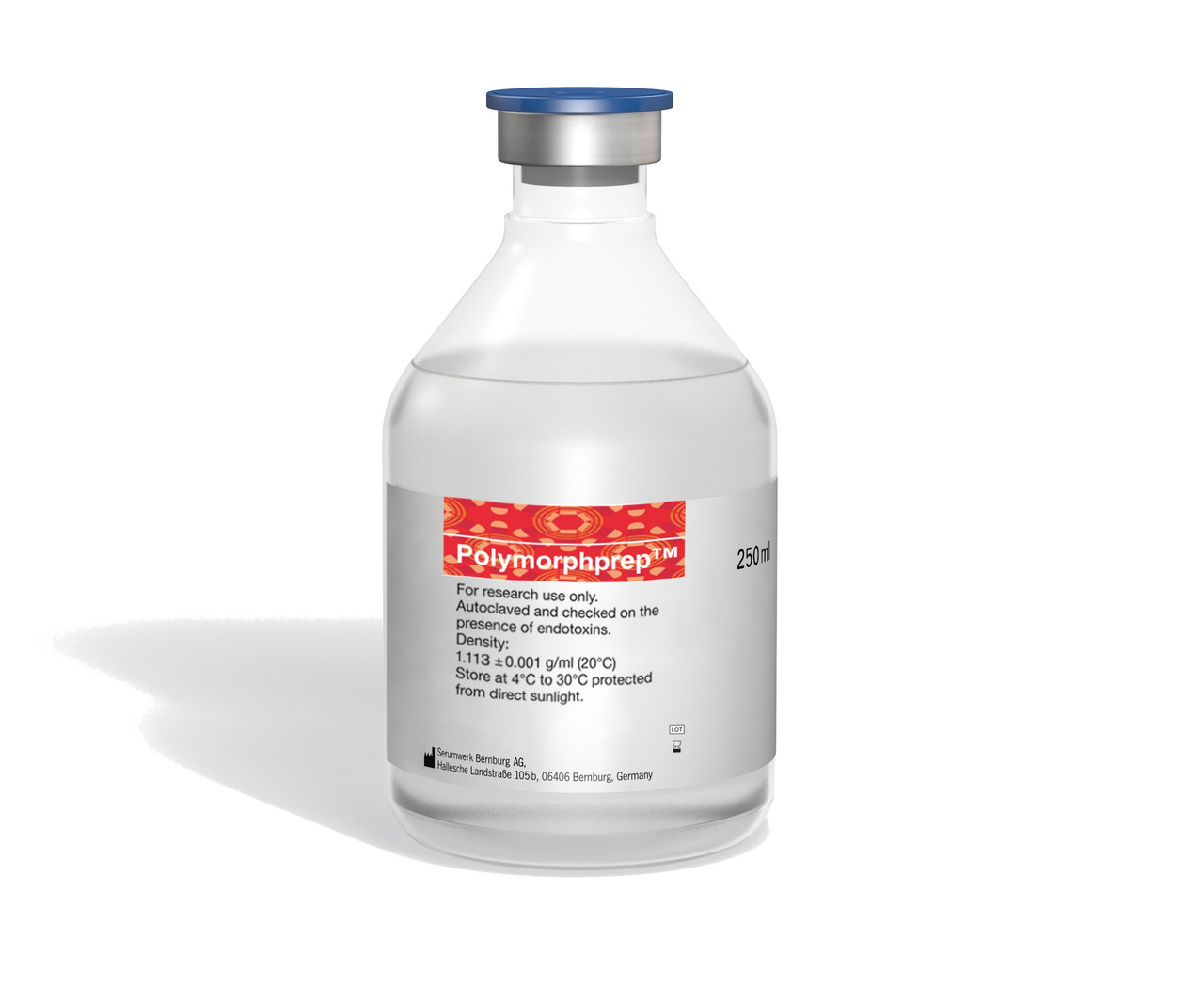
| (AXS-1114683) Polymorphprep – 250mL | https://maxanim.com/density-gradient-media/polymorphprep/ | 0173-AXS-1114683-250ML | Cell Separation |
| (AXS-1115758) Lymphoprep – 500ml | https://maxanim.com/density-gradient-media/lymphoprep/ | 0877-1858 | Cell Separation |
The Importance of Cell Separation
Cell separation is crucial for various applications, including:
- Biomedical Research: Isolating specific cell types for studying cellular functions and disease mechanisms. Learn more at NIH’s Research Resources.
- Clinical Diagnostics: Separating cells to diagnose diseases, such as isolating white blood cells for immune profiling. More details can be found at CDC’s Laboratory Science and Standards.
- Therapeutics: Isolating stem cells or other therapeutic cells for regenerative medicine. Explore further at FDA’s Cellular & Gene Therapy Products.
Types of Gradient Media and Their Applications
- OptiPrep™ Density Gradient Media
- Application: Used for the isolation of organelles, viruses, and other subcellular particles.
- Benefits: High purity and yield of isolated particles.
- Further Reading: Visit the NIH National Center for Biotechnology Information (NCBI).
- Lymphoprep™
- Application: Ideal for isolating mononuclear cells from blood and bone marrow.
- Benefits: Simple and quick separation process.
- Further Reading: Learn more from the NIH Research on Lymphocyte Separation.
- Polymorphprep™
- Application: Designed for the isolation of polymorphonuclear leukocytes (neutrophils).
- Benefits: High viability and purity of isolated cells.
- Further Reading: Details available at the National Institutes of Health (NIH).
Advantages of Using Advanced Gradient Media
- High Purity and Yield: Gradient media like OptiPrep™, Lymphoprep™, and Polymorphprep™ ensure high purity and yield of isolated cells. Standards and protocols can be found at NIST Cell Biology Program.
- Efficiency: These media streamline the separation process, saving time and resources. Efficiency improvements in cell separation techniques are discussed by NIH.
- Reproducibility: Standardized protocols ensure reproducibility of results across different laboratories. Explore more at NIH Reproducibility Resources.
Case Studies and Applications
- Immunology Research: Advanced gradient media are used to isolate specific immune cells for studying immune responses. Case studies can be found at NIH Immunology Research.
- Cancer Research: Separation of cancer cells from blood samples helps in understanding metastasis and developing treatments. Research articles are available at NCI Cancer Research.
- Stem Cell Research: Isolating stem cells for regenerative therapies. Detailed studies are available at NIH Stem Cell Research.
- Virology: Isolating viral particles using gradient media for vaccine development. For more information, visit CDC’s Viral Isolation.
Conclusion
Advanced gradient media like OptiPrep™, Lymphoprep™, and Polymorphprep™ are indispensable tools in cell separation, providing high purity, efficiency, and reproducibility. These media are essential for various applications in biomedical research, clinical diagnostics, and therapeutic development.
For further reading and resources, check out:
- NIH’s Research Resources
- CDC’s Laboratory Science and Standards
- FDA’s Cellular & Gene Therapy Products
- NIH National Center for Biotechnology Information (NCBI)
- NIH Research on Lymphocyte Separation
- National Institutes of Health (NIH)
- NIST Cell Biology Program
- NIH Reproducibility Resources
- NIH Immunology Research
- NCI Cancer Research
- NIH Stem Cell Research
- CDC’s Viral Isolation


Leave a Reply