The BioFire™ FilmArray® system is a cutting-edge multiplex PCR technology used in clinical laboratories for the detection of multiple pathogens in a single test. This rapid molecular diagnostic tool has revolutionized infectious disease testing, enabling the detection of bacteria, viruses, fungi, and parasites in a variety of sample types, including respiratory, gastrointestinal, and blood cultures. Ensuring the accuracy and reliability of results from the BioFire™ FilmArray® system requires stringent quality control processes, which are crucial for maintaining diagnostic integrity.
The Importance of Quality Control in Molecular Diagnostics

In molecular diagnostics, the reliability of test results is paramount, especially when diagnosing infectious diseases. Proper quality control (QC) measures help ensure that tests such as those run on the BioFire™ FilmArray® platform provide accurate and reproducible results. A robust QC system is essential for detecting assay failures, monitoring assay performance, and confirming the precision of reagents and instruments. This is especially important for healthcare settings where diagnostic results directly impact patient management and treatment decisions.
The BioFire™ FilmArray® system is used in clinical settings to diagnose conditions such as sepsis and respiratory infections. However, even the most advanced diagnostic tools require routine QC to ensure that test results are reliable and actionable. Implementing an effective QC system not only supports laboratory compliance with regulatory requirements but also helps prevent diagnostic errors, which can have severe consequences for patient care.
Quality Control Guidelines
Various regulatory bodies and organizations offer guidelines on QC practices for molecular diagnostic systems, including the BioFire™ FilmArray®. The Centers for Disease Control and Prevention (CDC) provides comprehensive guidelines on molecular diagnostic testing, emphasizing the need for stringent QC protocols to ensure test accuracy. Laboratories performing molecular diagnostics should adhere to Clinical Laboratory Improvement Amendments (CLIA) standards, which regulate the quality of laboratory testing in the United States.
Moreover, the Food and Drug Administration (FDA) plays a vital role in overseeing the validation and approval of diagnostic systems, including the BioFire™ FilmArray®. Laboratories are also encouraged to follow the College of American Pathologists (CAP) guidelines for ensuring quality control in molecular pathology.
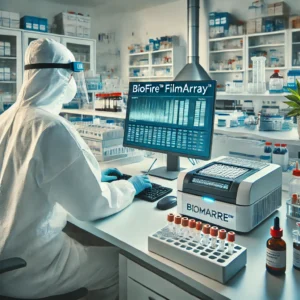
Key Components of BioFire™ FilmArray® Quality Control
- Internal Controls: Each BioFire™ FilmArray® panel incorporates internal controls to monitor the success of the extraction, amplification, and detection processes. These controls help ensure that every test run is valid and that the results are accurate.
- External Quality Controls (EQC): In addition to internal controls, external quality control materials must be used to assess the overall system performance. EQCs are independent from the assay’s internal controls and provide an additional level of assurance that the system is functioning correctly.
- Proficiency Testing (PT): Proficiency testing programs are offered by organizations like CDC and CAP. These programs require laboratories to regularly test QC samples provided by external bodies to demonstrate their competency in performing specific assays.
- Routine Instrument Maintenance: Regular maintenance of the BioFire™ FilmArray® instrument is essential for optimal performance. Laboratories should follow the manufacturer’s guidelines for cleaning and calibrating the equipment to ensure consistency across all tests. For further guidance, refer to the FDA’s guidelines on device maintenance.
Ensuring Compliance and Accreditation
Laboratories using the BioFire™ FilmArray® system should comply with accreditation requirements set forth by regulatory and certifying bodies. For instance, the National Institutes of Health (NIH) emphasizes the importance of maintaining stringent quality control measures to achieve reliable diagnostic outcomes. The World Health Organization (WHO) also highlights QC as a crucial aspect of laboratory safety and diagnostic accuracy, especially in global health initiatives aimed at controlling infectious diseases.
The Joint Commission, another authoritative body in healthcare quality and safety, stresses the significance of QC in its accreditation process for healthcare organizations and laboratories. Adhering to these guidelines helps laboratories demonstrate their commitment to providing accurate diagnostic results.
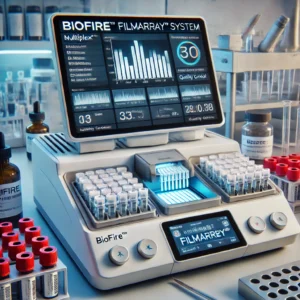
Implementing BioFire™ FilmArray® Quality Control in Clinical Practice
Laboratories incorporating the BioFire™ FilmArray® system into their diagnostic workflow must develop and implement comprehensive QC policies. This includes daily monitoring of the system’s performance, validation of new lots of reagents, and participation in external QC programs. Resources like the CDC’s Laboratory Quality Assurance and Standardization Programs provide laboratories with the tools necessary to establish effective QC protocols.
Furthermore, the FDA’s Center for Devices and Radiological Health (CDRH) provides guidance on diagnostic system validation and compliance, which is essential for maintaining the integrity of the BioFire™ FilmArray® system in clinical use.
Conclusion
The BioFire™ FilmArray® system offers a highly effective solution for rapid pathogen detection, but its accuracy depends on rigorous quality control measures. By adhering to QC guidelines from regulatory bodies such as the CDC, FDA, and CAP, laboratories can ensure the reliability of their diagnostic results. Regular proficiency testing, instrument maintenance, and participation in external quality control programs are critical to maintaining high standards in molecular diagnostics. By doing so, laboratories using the BioFire™ FilmArray® system can contribute to improved patient care through precise and timely diagnosis.


Leave a Reply