Introduction
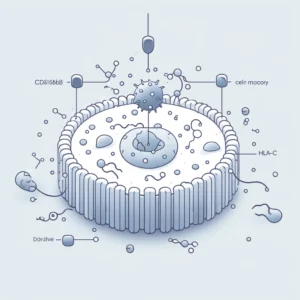
CD158b2/j Polyclonal Antibody is a vital reagent in immunological and clinical research, providing insight into the functional dynamics of NK cells. It specifically targets the CD158b2 protein, a killer cell immunoglobulin-like receptor (KIR) that interacts with HLA-C molecules. This interaction modulates immune responses, influencing areas such as cancer immunotherapy, autoimmune disease studies, infectious disease research, and transplantation biology.
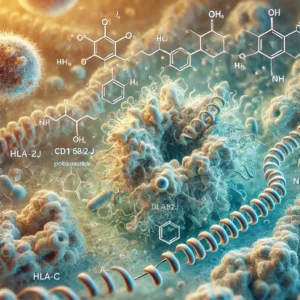
Structure and Biological Function of CD158b2
CD158b2 (KIR2DL2) belongs to the inhibitory KIR family and contains two extracellular immunoglobulin-like domains. It is expressed predominantly on NK cells and subsets of T cells, playing a key role in immune regulation. Its inhibitory function involves binding to specific HLA-C allotypes, effectively “switching off” NK cell activity to prevent tissue damage, as noted in research by the National Center for Biotechnology Information (NCBI).
This regulatory mechanism has broad implications. For example:
- Overexpression or genetic mutations in CD158b2 are linked to reduced immune surveillance in cancer, as shown by studies from the National Cancer Institute (NCI).
- Dysregulated signaling can lead to autoimmune diseases, as highlighted by the National Institute of Allergy and Infectious Diseases (NIAID).
Applications in Research and Diagnostics
The CD158b2/j Polyclonal Antibody is extensively used in:
- Cancer Immunology
- Research on the evasion of immune responses by tumor cells.
- Development of KIR inhibitors to enhance NK cell-mediated cytotoxicity. Ongoing studies funded by the National Institutes of Health (NIH) are investigating this antibody in the context of solid tumors and hematological malignancies.
- Autoimmune Diseases
- Understanding KIR-HLA interactions that contribute to autoimmune diseases such as ankylosing spondylitis and psoriasis, detailed by the Centers for Disease Control and Prevention (CDC).
- Infectious Diseases
- Exploring the impact of KIR variations on susceptibility and progression of viral infections, including HIV and hepatitis B, as studied by the World Health Organization (WHO).
- Transplantation Biology
- Enhancing donor-recipient compatibility by evaluating KIR-HLA mismatches. The United Network for Organ Sharing (UNOS) emphasizes the importance of KIR typing in transplant outcomes.
Technical Features and Advantages
The CD158b2/j Polyclonal Antibody exhibits:
- High Specificity: Verified against HLA-C-binding KIR receptors, as certified by the Food and Drug Administration (FDA).
- Versatility in Applications: Effective in Western blot, flow cytometry, and immunohistochemistry, as recommended in research protocols by the National Human Genome Research Institute (NHGRI).
Advances in CD158b2 Research
- Immunotherapy
- Targeting KIR receptors in NK cells to improve efficacy of cancer immunotherapy. Clinical trials supported by the National Cancer Institute (NCI) are exploring this strategy in metastatic cancers.
- Genomics and KIR Typing
- Advances in next-generation sequencing (NGS) have enabled detailed mapping of KIR gene polymorphisms, shedding light on their role in immune modulation. Key breakthroughs have been published by the Human Genome Project.
- Vaccine Development
- Investigating KIR-HLA interactions to design vaccines that optimize immune responses. The Biomedical Advanced Research and Development Authority (BARDA) has supported studies in this domain.
Potential Challenges and Future Directions
Despite its advantages, the CD158b2/j Polyclonal Antibody faces challenges such as cross-reactivity and variable expression of KIR receptors among populations. Efforts to refine antibody design and develop more precise diagnostic tools are being supported by the National Science Foundation (NSF).
Future research avenues include:
- Expanding the use of KIR antibodies in personalized medicine.
- Developing therapeutic antibodies that modulate CD158b2 for targeted immune therapies.
Conclusion
The CD158b2/j Polyclonal Antibody is an invaluable tool for advancing our understanding of immune regulation and its implications in health and disease. Its applications span cancer research, autoimmune disease studies, and infectious disease management, as underscored by prominent research institutions such as the World Health Organization (WHO), NIH, and CDC. With ongoing advancements in biotechnology, this antibody continues to play a pivotal role in immunological research and therapeutic development.


Leave a Reply