Introduction
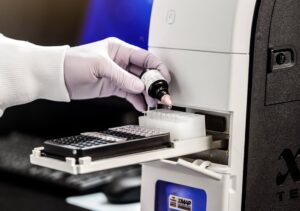
The Luminex® MAGPIX® Shigella sonnei PCR Quality Control is an essential tool for ensuring accuracy and reliability in molecular diagnostics targeting Shigella sonnei. As one of the leading technologies for multiplex assays, the MAGPIX® system enables high-throughput screening and quality control processes, vital for public health and clinical microbiology labs. This article provides an in-depth overview of its application, methodology, and importance, supported by references to authoritative educational and governmental resources.
Understanding Shigella sonnei and Public Health Implications
Shigella sonnei is a major cause of bacterial dysentery worldwide. Its identification and control are critical for preventing outbreaks. The Centers for Disease Control and Prevention (CDC) has highlighted the rise in Shigella cases and their impact on global health (CDC Shigella Information). The World Health Organization (WHO) also emphasizes the need for accurate diagnostics in its guidelines for controlling diarrheal diseases (WHO Shigella Fact Sheet).
MAGPIX® Technology in Shigella Detection
The MAGPIX® system leverages bead-based multiplex assays to deliver rapid and sensitive detection of target DNA. This technology has been validated for pathogen detection in complex samples (NIH MAGPIX Technology Overview) and provides high-throughput capabilities essential for outbreak management and epidemiological studies (PubMed Article on Multiplex Assays).

Role of PCR Quality Control
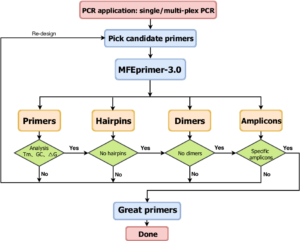
Quality control is indispensable for ensuring the accuracy of PCR-based assays. The National Institute of Standards and Technology (NIST) has underscored the importance of reference materials and controls in molecular diagnostics (NIST PCR Standards). The MAGPIX® Shigella sonnei PCR Quality Control ensures that assays remain consistent across runs, reducing false positives and negatives.
Applications in Clinical and Environmental Monitoring
MAGPIX®-based PCR quality controls are not limited to clinical diagnostics. They are instrumental in environmental surveillance, a key strategy for outbreak prevention. The Environmental Protection Agency (EPA) has explored PCR methods for detecting pathogens in water (EPA Water Testing Guidelines).
Advantages of Using MAGPIX® Shigella sonnei PCR Quality Control
- Accuracy and Reliability: With multiplexing, the system minimizes cross-reactivity, ensuring specific detection of Shigella sonnei (NIH Multiplex Research).
- Ease of Use: The MAGPIX® platform is user-friendly, enabling seamless integration into laboratory workflows (FDA MAGPIX System Information).
- Regulatory Compliance: The system adheres to standards set by international organizations, such as the International Organization for Standardization (ISO Standards for Molecular Testing).
Case Studies and Research Highlights
- A study funded by the National Institutes of Health demonstrated the effectiveness of MAGPIX® assays in identifying Shigella sonnei in stool samples (NIH Shigella Research).
- Research from academic institutions, such as Stanford University, has showcased the platform’s potential in advancing diagnostic precision (Stanford University Research on Diagnostics).
- The U.S. Food and Drug Administration (FDA) has reviewed and approved the use of Luminex® systems for pathogen detection (FDA Diagnostic Technologies).
Educational and Training Resources To further understand the applications of MAGPIX® technology and PCR quality controls, the following resources are recommended:
- The Johns Hopkins University OpenCourseWare on infectious disease diagnostics (Johns Hopkins OCW).
- Training modules provided by the National Institute of Allergy and Infectious Diseases (NIAID) on PCR methodologies (NIAID Training Resources).
Conclusion
The Luminex® MAGPIX® Shigella sonnei PCR Quality Control is a cornerstone of reliable molecular diagnostics. By integrating advanced bead-based assays with stringent quality controls, it supports both clinical and environmental surveillance efforts. As pathogen outbreaks continue to challenge global health systems, the adoption of robust diagnostic tools like MAGPIX® is imperative. Explore further insights and guidelines from resources like the CDC, WHO, and NIH for cutting-edge developments in pathogen detection.


Leave a Reply