BioFire™ FilmArray is a cutting-edge molecular diagnostic system designed to detect pathogens quickly and accurately. With its comprehensive multiplex PCR technology, the FilmArray system enables the identification of multiple pathogens in a single test, streamlining diagnostic workflows and providing timely, actionable results. This technology has significantly impacted clinical settings, particularly in the diagnosis of respiratory, gastrointestinal, and bloodstream infections.
How BioFire™ FilmArray Works
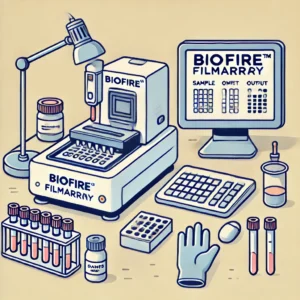
BioFire™ FilmArray utilizes a comprehensive polymerase chain reaction (PCR) technique to amplify and detect nucleic acid from various pathogens. The system includes a user-friendly interface, where samples like blood, stool, or respiratory fluids are loaded into a closed system pouch, and the assay process runs automatically. Within about an hour, the system can detect multiple targets simultaneously.
According to the National Institutes of Health (NIH), multiplex PCR is a vital tool in diagnosing infectious diseases, and the FilmArray system takes this technology to a higher level by reducing manual steps and turnaround time for results. Researchers at Stanford University have explored the benefits of this system in streamlining diagnostics.

Applications in Infectious Disease Diagnosis
One of the core strengths of BioFire™ FilmArray lies in its ability to rapidly identify pathogens responsible for respiratory illnesses, bloodstream infections, and gastrointestinal diseases. The Centers for Disease Control and Prevention (CDC) highlights its use in diagnosing influenza, COVID-19, and other respiratory pathogens. This rapid diagnostic capability allows clinicians to initiate appropriate treatment earlier, reducing the risk of complications and improving patient outcomes.
For example, BioFire™ FilmArray’s Respiratory Panel can detect over 20 different pathogens, including viruses like SARS-CoV-2, influenza, and RSV, and bacteria such as Streptococcus pneumoniae. The World Health Organization (WHO) has cited this type of testing as crucial in controlling infectious outbreaks.
Blood Culture Identification and Gastrointestinal Panels
In addition to respiratory testing, BioFire™ FilmArray offers panels for blood culture identification, which are used to detect bloodstream infections quickly. These panels can identify the pathogen causing sepsis within a short timeframe, allowing physicians to initiate targeted therapies. According to the National Center for Biotechnology Information (NCBI), rapid identification of pathogens in sepsis cases significantly reduces mortality rates.
BioFire™ FilmArray also provides gastrointestinal panels that can identify pathogens like Salmonella, Shigella, and Norovirus from stool samples. The ability to diagnose multiple gastrointestinal infections in a single test is particularly useful in public health monitoring, as noted by Harvard University.
Ease of Use and Workflow Efficiency
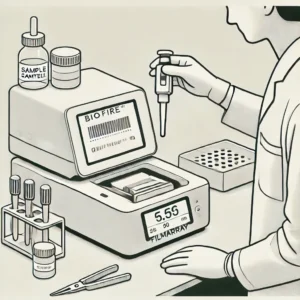
One of the key advantages of the BioFire™ FilmArray system is its ease of use. The automated nature of the system reduces the potential for human error while minimizing the hands-on time required for sample preparation. According to the U.S. National Library of Medicine (NLM), the streamlined workflow provided by BioFire™ FilmArray has been shown to improve laboratory efficiency, allowing staff to process more tests in less time.
Moreover, the closed system design of the FilmArray pouch reduces contamination risks and ensures the safety of both the sample and the user. This design has been a game changer for laboratories with high testing volumes, according to researchers at Johns Hopkins University.
Clinical Impact and Future Potential
The ability of BioFire™ FilmArray to provide rapid, accurate results has had a profound effect on clinical decision-making. For example, the system’s ability to quickly diagnose respiratory illnesses allows for the appropriate use of antivirals and antibiotics, reducing the misuse of antibiotics and contributing to the fight against antimicrobial resistance. The National Institutes of Health (NIH) has published research supporting the role of rapid diagnostics in antimicrobial stewardship programs.
Looking forward, advancements in multiplex PCR technology and the expansion of BioFire™ FilmArray panels could further revolutionize infectious disease diagnostics. With continuous updates to pathogen panels and the introduction of new applications in oncology and genetic testing, the future of this system is bright, as highlighted by Yale University.
Conclusion
BioFire™ FilmArray has set a new standard in rapid molecular diagnostics by providing an all-in-one solution for identifying multiple pathogens simultaneously. Its ease of use, speed, and accuracy make it an essential tool in clinical laboratories, helping to improve patient outcomes and enhance workflow efficiency. For more information on the benefits and uses of BioFire™ FilmArray, consult educational resources from the National Institutes of Health (NIH), Stanford University, and the Centers for Disease Control and Prevention (CDC).


Leave a Reply