In the field of veterinary medicine, rapid diagnostic tests have become an indispensable tool for veterinarians, particularly when it comes to managing the health and well-being of dogs. Canine veterinary rapid tests provide quick and reliable results for a variety of diseases, infections, and conditions, enabling timely decision-making and treatment. This article provides an in-depth look into the different types of canine veterinary rapid tests, their applications, benefits, and the future of diagnostic testing in veterinary medicine.
What Are Canine Veterinary Rapid Tests?
Canine veterinary rapid tests are diagnostic tools designed to detect specific pathogens, antibodies, or antigens in a dog’s body. These tests are typically easy to use, require minimal equipment, and produce results within minutes to a few hours. They are used primarily in clinical settings for the rapid diagnosis of infectious diseases, endocrine disorders, and other health conditions in dogs.

Types of Canine Veterinary Rapid Tests
- Infectious Disease Tests: These are the most common type of rapid tests in veterinary practice. They are designed to detect pathogens such as viruses, bacteria, and parasites that cause infectious diseases in dogs. Some widely used tests in this category include:
- Parvovirus Antigen Test: This test detects the presence of the canine parvovirus, a highly contagious virus that causes severe gastrointestinal disease in dogs. The test is often performed on fecal samples and provides results in less than 10 minutes.
- Distemper Virus Test: Canine distemper is a serious viral disease that affects a dog’s respiratory, gastrointestinal, and central nervous systems. Rapid tests can quickly identify the presence of the distemper virus from blood or ocular samples.
- Heartworm Antigen Test: Heartworm disease is caused by the parasite Dirofilaria immitis and can be fatal if not treated. Rapid tests detect the presence of heartworm antigens in a dog’s blood, allowing for quick diagnosis and prompt treatment.
- Vector-Borne Disease Tests: These tests are crucial for detecting diseases transmitted by ticks and other vectors. Common vector-borne diseases in dogs include Lyme disease, Ehrlichiosis, and Anaplasmosis. Rapid tests for these conditions typically use blood samples and are often performed as a panel to detect multiple pathogens at once.
- Endocrine and Metabolic Disorder Tests: Rapid tests are also available for diagnosing endocrine disorders in dogs, such as hypothyroidism and hyperadrenocorticism (Cushing’s disease). These tests measure hormone levels in the blood and are essential for managing chronic conditions.
- Allergy Tests: Rapid tests for allergies in dogs help identify specific allergens responsible for allergic reactions. These tests analyze blood samples to detect antibodies against various allergens such as pollen, dust mites, and certain foods.
- Genetic Tests: Although not as rapid as other tests, some genetic tests have been adapted for quicker results. These tests screen for genetic disorders, breed identification, and specific traits in dogs, helping breeders and veterinarians make informed decisions about breeding and treatment plans.
Benefits of Rapid Tests in Veterinary Medicine
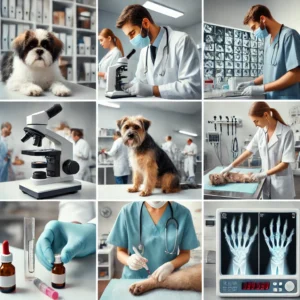
- Quick Results: One of the most significant advantages of rapid tests is their speed. Results are typically available within minutes to a few hours, allowing veterinarians to make immediate decisions regarding a dog’s care.
- Convenience and Ease of Use: Rapid tests are designed for ease of use in clinical settings, requiring minimal training and equipment. This convenience allows for testing to be performed on-site without the need to send samples to external laboratories.
- Cost-Effective: Rapid tests are generally less expensive than laboratory-based diagnostic tests, making them an affordable option for routine screenings and initial diagnoses.
- Early Detection and Treatment: Early detection of diseases and conditions is crucial in veterinary medicine. Rapid tests enable the early identification of infections, allowing for prompt treatment and improving the chances of a positive outcome.
- Improved Client Communication and Satisfaction: Rapid tests allow veterinarians to provide immediate feedback to pet owners, enhancing communication and client satisfaction. Pet owners appreciate quick and accurate diagnoses, which help build trust in veterinary care.
Challenges and Limitations of Rapid Tests

While rapid tests offer numerous benefits, they also have some limitations:
- Sensitivity and Specificity: The accuracy of rapid tests can vary depending on the type of test and the quality of the sample. False positives and negatives can occur, leading to potential misdiagnoses if not confirmed with more comprehensive testing.
- Limited Scope: Some rapid tests may only detect specific strains or types of pathogens, missing others that might be present. This limitation can affect the comprehensiveness of the diagnosis.
- Need for Confirmation: In some cases, results from rapid tests need to be confirmed with more detailed laboratory testing, especially when dealing with critical or complex cases.
The Future of Canine Veterinary Rapid Tests
The field of veterinary diagnostics is rapidly evolving, and advancements in technology continue to improve the accuracy, speed, and reliability of rapid tests. Innovations such as digital platforms, point-of-care devices, and integrated diagnostic systems are becoming more prevalent, allowing veterinarians to diagnose a broader range of conditions with greater precision. Additionally, the development of multiplex testing, which enables simultaneous testing for multiple pathogens or conditions, is set to revolutionize the use of rapid tests in veterinary practices.
Furthermore, advancements in molecular diagnostics, such as Polymerase Chain Reaction (PCR) and next-generation sequencing, are being adapted for point-of-care use, offering even more rapid and accurate testing options. These developments hold promise for more personalized veterinary care, tailored to the specific needs of each dog.
Conclusion
Canine veterinary rapid tests are a vital tool in modern veterinary medicine, providing fast, reliable, and cost-effective solutions for diagnosing a wide range of diseases and conditions in dogs. While they have certain limitations, their benefits in terms of speed, convenience, and early detection are invaluable for veterinarians and pet owners alike. As technology continues to advance, the future of rapid testing in veterinary medicine looks promising, with the potential for even more sophisticated and comprehensive diagnostic options on the horizon.


Leave a Reply